
Less than a year after its seed round, the Barcelona-based AI robotics startup is betting that generalist robots can solve the labor crisis in industrial environments.
A Barcelona-based AI robotics startup has raised $85 million in what it claims is the largest Series A round ever closed by a robotics company in Europe — a milestone that signals growing investor conviction that the next wave of industrial automation will be driven not by rigid, purpose-built machines, but by robots that can think on their feet.
Theker, founded in 2022, closed the round led by US venture capital firm CRV, with participation from Samsung, LVMH, Cathay Innovation, 20VC, and Henkel Ventures. Existing backers Inditex and Kibo Ventures also returned for the raise, which follows less than a year after the company secured €18 million in seed funding.
The company describes itself as building a new category of industrial robotics: AI-native generalist robots designed to operate autonomously and adapt in real time to changing environments. The contrast it draws is deliberate. Traditional industrial robots are built for a single task, expensive to reconfigure, and ill-suited to the unpredictability of real-world operations. Theker’s pitch is that its machines can handle what comes next, not just what was planned.
The technology is aimed at industries where labor shortages are acute and operational complexity is high — logistics, retail, food and beverage, and waste management, among them. Deployments are already underway with industrial operators across manufacturing and retail environments.
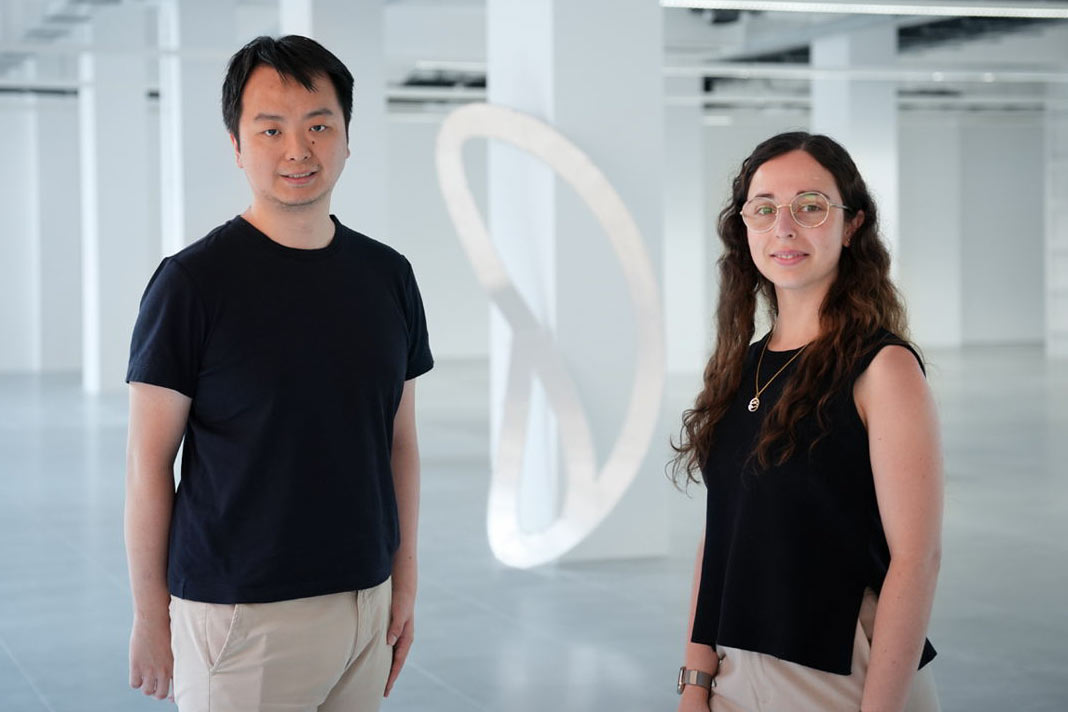
“This round accelerates a vision we’ve been building toward from day one: making intelligent, adaptable robotics practical for real industrial operations at a global scale,” said Carla Gómez Cano, co-founder of Theker.
Also Read: Is AI Becoming America’s Next Security Crisis?
The funding will be used to scale those deployments, deepen Theker’s proprietary AI and robotics stack, and expand its team across software, electronics, mechanical engineering, and field operations.
The investor lineup is notable for more than its size. The presence of Samsung and LVMH alongside traditional venture capital suggests that the companies most exposed to labor market pressures in manufacturing and retail are beginning to back the infrastructure they hope will address them — rather than waiting for it to arrive.