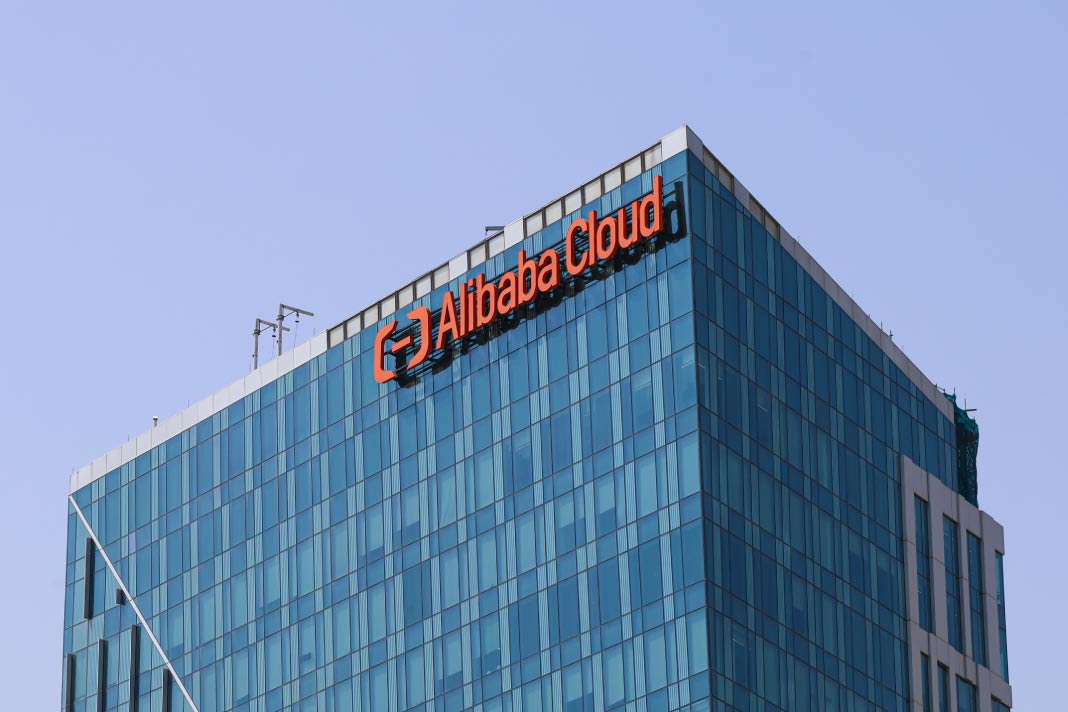


Alibaba Cloud is reportedly weighing a major capex increase to $69B over three years, signaling China’s escalating race to build AI infrastructure and data centers.
Alibaba Cloud is considering a significant increase to its already ambitious investment in artificial intelligence infrastructure, potentially raising planned spending over the next three years to $69.05 billion, according to Chinese media reports.
The figure—equivalent to 480 billion yuan—would represent a sharp jump from the $52.4 billion commitment the company announced in early 2025. That original pledge covered capital expenditures through February 2028.
Citing an unnamed insider, the Chinese outlet LatePost reported that Alibaba is reassessing its budget as demand for computing power continues to surge across China’s technology sector.
Spending Already Accelerating
The company’s recent financial results suggest that investment is already climbing rapidly.
During its November earnings call, Alibaba disclosed that it had spent roughly $16 billion on AI-related purchases over the previous 12 months, including new data centers and hardware. Executives indicated that spending would continue to ramp up as the company expands capacity to support large language models and cloud customers.
According to the LatePost report, Alibaba has at times resorted to unconventional measures to meet surging demand. The insider said the company even purchased large quantities of consumer-grade graphics cards, such as Nvidia’s RTX 4090, to build inference clusters and supplement processing throughput.
Alibaba has also sought to improve efficiency from existing equipment. In October 2025, the company said a new resource “pooling” system had reduced GPU usage by as much as 82 percent.
Also Read: The AI Economy Speaks: Takeaways from Cisco’s AI Summit
Access to High-End Chips
The potential spending increase follows recent approval from the Chinese government allowing Alibaba, ByteDance and Tencent to purchase advanced Nvidia H200 chips—up to 400,000 units collectively. Access to those processors is expected to accelerate large-scale AI deployments.
Alibaba is also developing its own custom silicon through its T-Head semiconductor unit. The latest product, the Zhenwu 810E chip, is designed to complement Nvidia hardware and reduce reliance on external suppliers.
Financing and Global Expansion
To fund its infrastructure push, Alibaba has been raising capital aggressively. The company issued $3.2 billion in zero-coupon convertible bonds in September 2025, following a $1.53 billion bond sale in July.
At the same time, Alibaba Cloud has been expanding its global footprint. Over the past year it opened a third data center in Malaysia, a second facility in South Korea, and new regions in Mexico and Thailand.
Within China, the company remains the dominant provider of AI cloud services. Market research firm Omdia estimates that Alibaba Cloud controls 35.8 percent of the domestic market—more than double the share of its nearest competitor, ByteDance’s Volcano Engine.
Also Read: Part 3: 2026 Tech Boom? Bubbles, Bills, and Cyber Siege Await.
An Intensifying AI Arms Race
The report underscores how fiercely Chinese technology firms are competing to build AI infrastructure at scale.
ByteDance alone is said to be planning $14 billion in Nvidia chip purchases in 2026, highlighting the extraordinary sums being deployed across the industry.
For Alibaba, increasing its capex budget would signal a clear intent to remain at the forefront of that race—betting that control of computing power will be as critical as software in shaping the future of artificial intelligence.