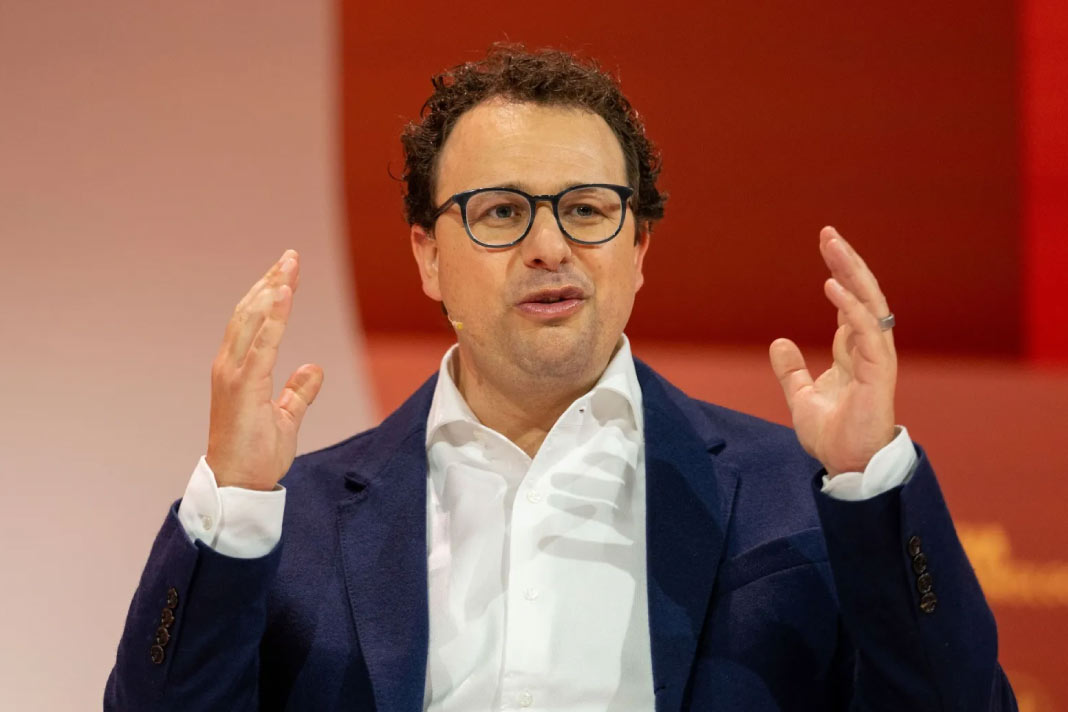

Anthropic’s Dario Amodei criticizes OpenAI’s defense contract with the U.S. Department of Defense, calling its safety claims “theater.”
A dispute between two of the world’s leading artificial intelligence companies has spilled into public view after Anthropic CEO Dario Amodei sharply criticized rival OpenAI over its new contract with the U.S. Department of Defense.
In a memo to employees reported by The Information, Amodei described OpenAI’s messaging around the agreement as “safety theater,” accusing the company of prioritizing internal optics over stricter safeguards.
“The main reason they accepted the deal and we did not,” Amodei wrote, “is that they cared about placating employees, and we actually cared about preventing abuses.”
Disagreement Over Military Use of AI
The dispute centers on negotiations between Anthropic and the Department of Defense that collapsed last week after the government requested broad access to the company’s AI systems.
Anthropic, which previously held a $200 million defense contract, reportedly sought assurances that its technology would not be used for domestic mass surveillance or autonomous weapons.
According to reports, the Pentagon declined to include those restrictions and instead reached an agreement with OpenAI.
OpenAI has said its contract allows the use of its AI tools for “all lawful purposes,” while emphasizing that safeguards are in place to prevent misuse.
In a blog post, the company stated that government officials had indicated that domestic mass surveillance would be illegal and therefore outside the permitted uses.
Also Read: Cutting Through the Noise of SaaS Buying
Escalating Tensions in the AI Industry
Amodei rejected that explanation, calling OpenAI’s public framing of the deal “straight up lies” and accusing CEO Sam Altman of portraying himself as a mediator while obscuring the risks.
The disagreement highlights growing tensions across the AI sector as companies navigate the ethical and political implications of supplying advanced AI systems to military and government agencies.
Critics have also pointed out that legal standards can evolve over time, raising questions about how future uses of AI technology might be governed.
Public Reaction
Public reaction has been swift. According to data cited in reports, ChatGPT app uninstalls surged by nearly 300 percent following news of the defense agreement.
Amodei suggested the response reflected broader concerns about the military use of artificial intelligence.
“I think this attempted spin isn’t working very well with the public or the media,” he wrote in his internal message.
As AI companies increasingly confront questions about national security, surveillance and defense contracts, the dispute underscores a deeper divide over how the industry should balance technological advancement with ethical constraints.