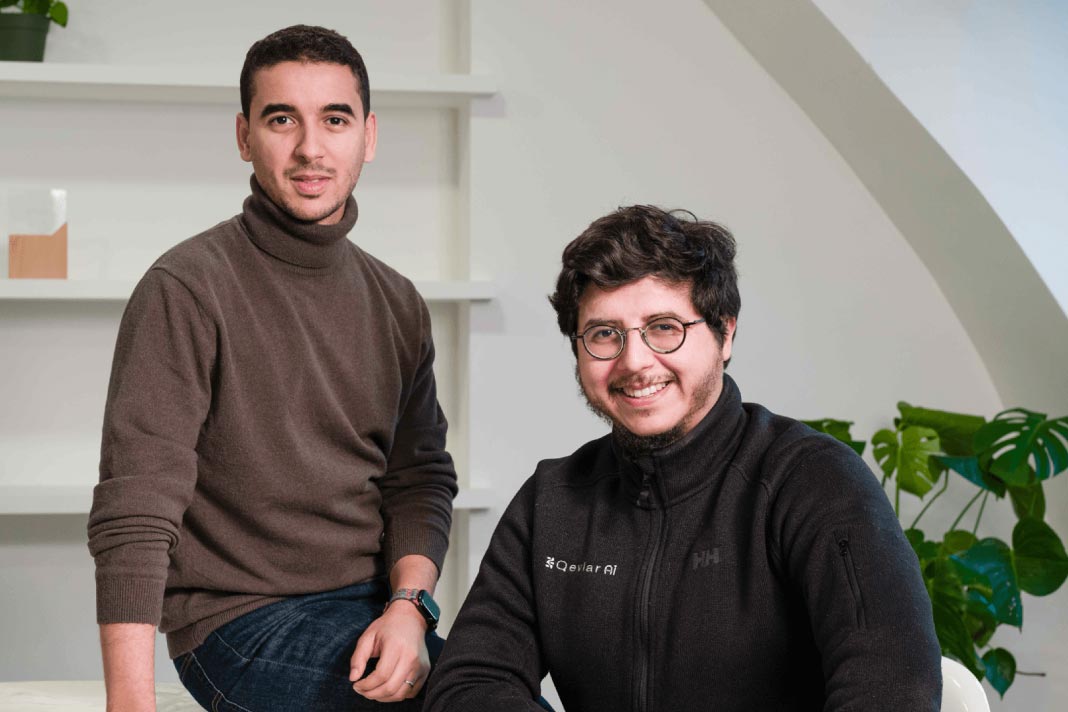

Qevlar AI’s autonomous SOC platform doesn’t just triage alerts faster — it traces them to their source. A $30M Series A is backing the ambition.
The modern security operations center has an alert problem. Not a shortage of them — an excess. Threat detection systems are generating alerts faster than human analysts can investigate them, and the gap between what arrives in the queue and what actually gets examined is widening every year.
Qevlar AI, a France-based platform built to automate SOC investigations, has raised $30 million to push that problem toward a different kind of solution. The round was jointly led by Partech and Forgepoint Capital International, with participation from EQT Ventures.
The Alert Triage Trap
The standard response to alert overload has been to move faster — better triage tools, faster escalation paths, more analysts working more shifts. Qevlar’s argument is that speed alone is the wrong frame. Most SOC teams, the company’s CEO Ahmed Achchak points out, measure success by how many alerts they handled and how quickly they closed them. That metric captures throughput. It tells you almost nothing about whether the underlying security posture is actually improving.
“We’re moving from autonomous alert investigations to an intelligent AI SOC platform that uncovers insights that transform how teams not only deal with alerts, but stop them from recurring,” Achchak said. “We’re putting out the fire and finding out what started it to make sure it doesn’t happen again.”
That reframing — from alert resolution to root cause elimination — is the strategic core of what Qevlar is building.
Also Read: The AI Attack You Haven’t Heard Of. But Should.
What the Platform Does
Qevlar’s system automates the investigative work that currently consumes the majority of a security analyst’s time: data enrichment, alert correlation across multiple systems, pattern identification, and report generation. By handling that layer autonomously, the platform frees analysts to focus on the work that benefits most from human judgment — threat hunting, incident response planning, and structural improvements to security posture.
The platform is currently used by managed security service providers and large enterprises. According to the company, organizations using it have reported meaningfully reduced investigation times, continuous automated analysis of incoming alerts, and the ability to review individual alerts in greater depth despite rising overall volumes — a combination that typically requires a tradeoff rather than an improvement on all three dimensions simultaneously.
Also Read: Cutting Through the Noise of SaaS Buying
Beyond Investigation
The $30 million raise is intended to push Qevlar’s platform beyond its current focus on alert investigation and into something broader: an autonomous AI system capable of generating structural insights into why security issues recur, helping teams identify root causes, take corrective action, and reduce the conditions that generate alert volume in the first place.
That ambition puts Qevlar in a different category than tools designed simply to help analysts work faster. The SOC alert crisis is, at its core, a signal-to-noise problem — and noise reduction, not speed, is the harder and more valuable challenge. If Qevlar can deliver on the root cause promise, the metric that matters stops being alerts closed per shift and starts being alerts that never needed to be generated.