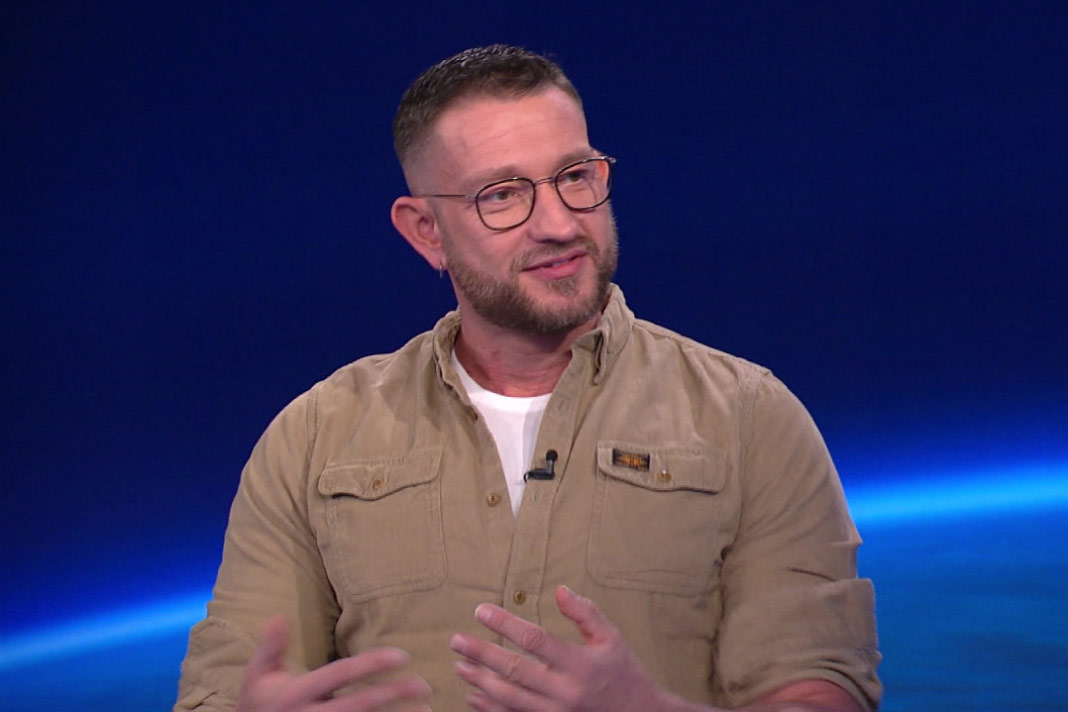


Austrian developer Peter Steinberger joins OpenAI, placing viral agent OpenClaw into a foundation and reigniting debate over Europe’s tech talent drain.
The architect of one of Europe’s most talked-about open-source AI agents is heading west.
Peter Steinberger, the Austrian developer behind the viral AI assistant OpenClaw, is joining OpenAI — a move that has stirred debate about Europe’s ability to retain top technical talent.
OpenAI co-founder and chief executive Sam Altman announced the hire on X, calling Steinberger a “genius” who will help “drive the next generation of personal agents.”
Altman added that OpenClaw would transition into a foundation structure, remaining open source and supported by OpenAI. “The future is going to be extremely multi-agent,” he wrote, emphasizing the company’s commitment to open-source ecosystems.
In his own post, Steinberger said: “I’m joining OpenAI to bring agents to everyone. OpenClaw is becoming a foundation: open, independent and just getting started.” He later published a blog post explaining that he had spent the previous week in San Francisco meeting with leading AI labs before making his decision.
Also Read: AI Is a Leadership Test, Not a Tech Rollout
A Viral European Project
OpenClaw — previously known as Clawdbot and later Moltbot — gained rapid attention in recent weeks as an “AI that actually does things.” Unlike chat-based assistants that stop at text generation, the agent can execute tasks such as responding to emails, checking flights and conducting research.
Developed in Europe, the project became emblematic of the continent’s technical creativity in the emerging agentic AI space.
Steinberger’s move to a U.S. frontier lab has therefore prompted mixed reactions.
On LinkedIn, one commentator wrote: “As happy as I am for him as a fellow Austrian, I can’t help but wonder if there was a counteroffer from a European tech company.” Another called it “a real pity that every promising idea/startup gets immediately swallowed by US big tech.”
A third observer framed the issue more bluntly: “Europe isn’t losing to OpenAI. Europe is losing to its own bureaucracy.”
Also Read: Part 3: 2026 Tech Boom? Bubbles, Bills, and Cyber Siege Await.
Talent, Capital and Gravity
The episode underscores a persistent tension in global AI: while technical innovation is widely distributed, capital concentration and platform scale remain heavily centered in the United States.
For OpenAI, the hire strengthens its push into autonomous, multi-agent systems — software that can reason, plan and act across digital environments. For Europe, it revives an uncomfortable question: whether the region can build and sustain frontier AI ventures at scale, or whether its most promising innovators will continue to migrate toward American labs with deeper resources and faster decision cycles.
OpenClaw will continue as an open-source project under a foundation model. But its creator is now firmly embedded inside one of the world’s most influential AI companies — a symbol of both opportunity and unease in Europe’s technology landscape.