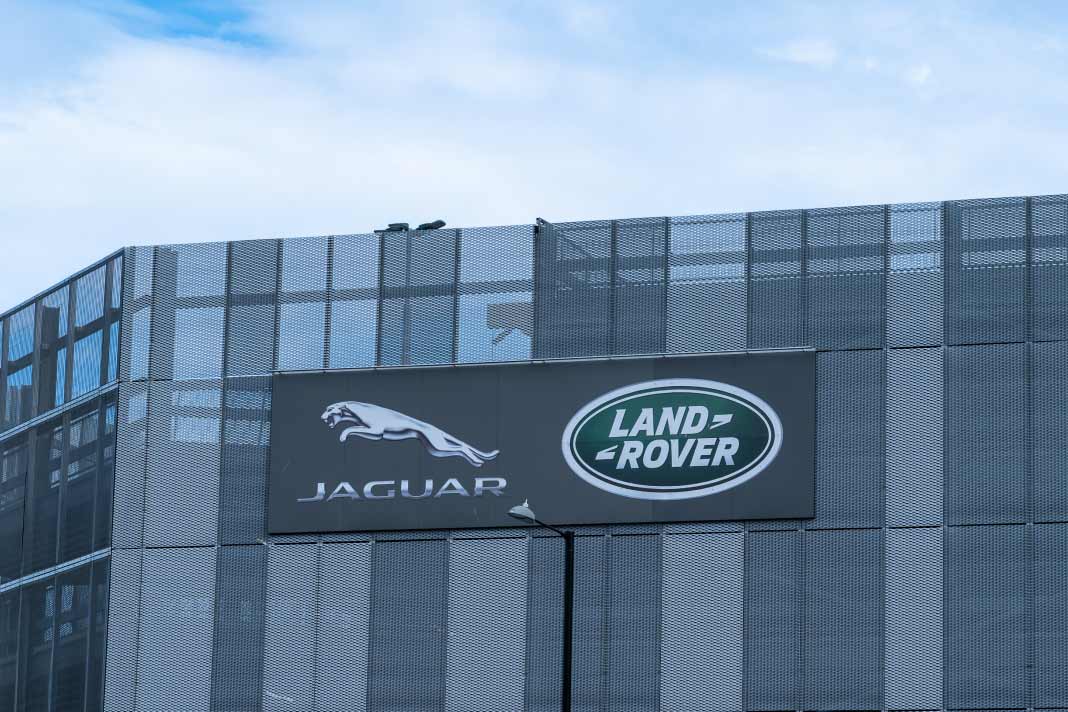

JLR reported a $638M pre-tax loss after a late-summer cyberattack disrupted production for weeks, slashing Q2 revenue by 24% and hitting its supply chain.
Jaguar Land Rover (JLR) reported a 24% drop in fiscal second-quarter revenue, attributing the decline to a severe cyberattack in late summer that crippled automotive production for weeks.
Revenue fell to $6.45 billion (£4.9 billion) for the quarter ending September 30, with the timing of the incident—September being a critical sales month—exacerbating the impact.
“The cyber incident meant that we had to close down our systems in one of the higher volume months of the year,” JLR CFO Richard Molyneux said during the earnings call. The attack also coincided with the launch of the 2026 model year for Range Rover and the introduction of a new vehicle registration plate in the U.K.
Wholesale unit figures fell 24% from the prior year, directly contrasting with figures for July and August, which had been in line with expectations.
Also Read: The Unified Security Approach MSPs Need Now
Financial and Economic Costs
The financial fallout was substantial: JLR reported a pre-tax loss of $638 million (£485 million) and total losses of $735 million (£559 million) after taxes. The company cited $313 million (£238 million) in exceptional items, primarily linked to the cyberattack.
The disruption extended far beyond the automaker itself. The attack, suspected to be a social engineering scheme claimed by the same group that targeted Marks & Spencer in April, is estimated to have cost the British economy approximately $2.5 billion, impacting roughly 5,000 organizations.
To stabilize its extensive network, JLR fast-tracked a $659 million (£500 million) financing solution to provide cash to qualified partner companies in its supply chain.
Also Read: AI vs. AI: The $10B Cybersecurity Battle You’re Missing
Supply Chain Vulnerability
A Moody’s report released this week highlighted how the JLR incident underscores the extreme risk facing highly interconnected supply chains in Europe. The credit ratings agency advised that manufacturers need to better monitor third-party risk, limit information sharing, and rank suppliers based on their relative cyber risk.
JLR prioritized the recovery of clients, retailers, and suppliers, implementing a carefully calibrated response to resume operations safely in early October